
WC & Bidet
return to previous pageDesigns for every modern bathroom. A combination of aesthetics and function our toilets and bidets are both simple and versatile in style, offering a level of design and comfort that combines effortlessly with every bathroom style.
What types of toilets does LAVO Bathroom Concepts offer?
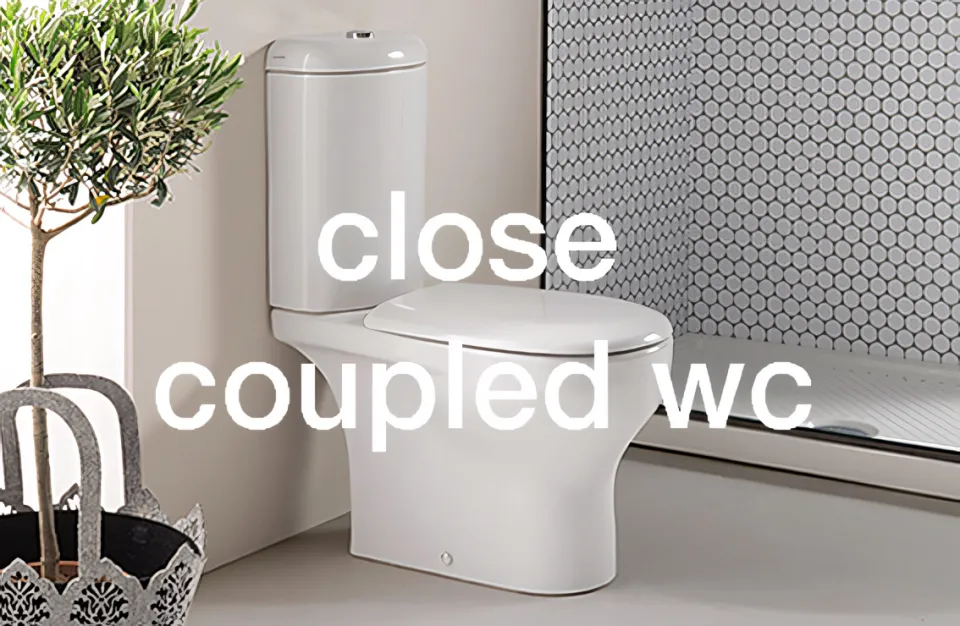
LAVO Bathroom Concepts offers a considered selection of toilet solutions designed to suit different bathroom layouts, architectural styles and practical requirements. The range includes contemporary and design-led toilet options, with different configurations, proportions and installation styles available.
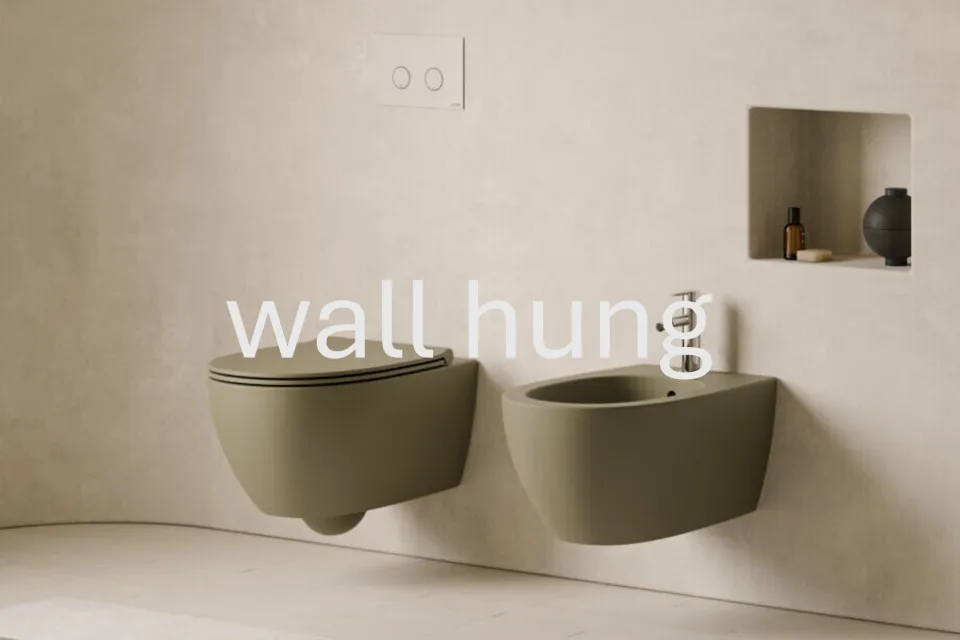
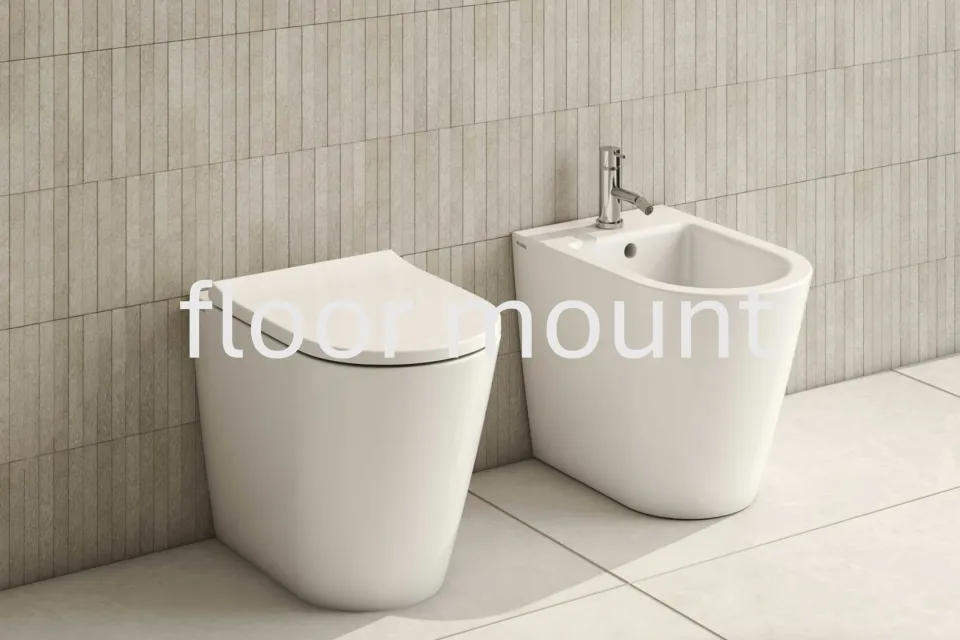
Toilet selection is about more than choosing a functional sanitaryware fitting. The toilet can have a significant influence on the visual balance of a bathroom, particularly in contemporary spaces where clean lines and minimal detailing are important. Wall-hung toilets, for example, create a lighter appearance by suspending the pan above the floor, while floor-standing toilets can provide a more traditional or substantial presence.
LAVO works with homeowners, architects, interior designers and other professionals to help select sanitaryware that works with the wider bathroom scheme. Factors such as available space, plumbing requirements, installation method, comfort and the relationship between the toilet, basin, bath and shower should all be considered.
What is a wall-hung toilet and is it suitable for a modern bathroom?
A wall-hung toilet is a toilet where the ceramic pan is suspended from the wall rather than standing directly on the floor. The cistern and supporting frame are generally concealed within the wall, creating a cleaner and more minimalist appearance.
Wall-hung toilets are particularly well suited to contemporary bathrooms because they reduce visible plumbing and create a streamlined architectural look. The open floor beneath the toilet can also make the bathroom appear more spacious and makes cleaning the floor easier.
However, a wall-hung toilet needs to be planned correctly before installation. The concealed cistern and support frame must be suitable for the wall construction, and the required installation depth needs to be incorporated into the bathroom design.
LAVO can assist with selecting sanitaryware and coordinating it with the wider bathroom concept, helping ensure that the toilet is not considered as an isolated product but as part of the overall design.
What is a bidet and why should you consider one?
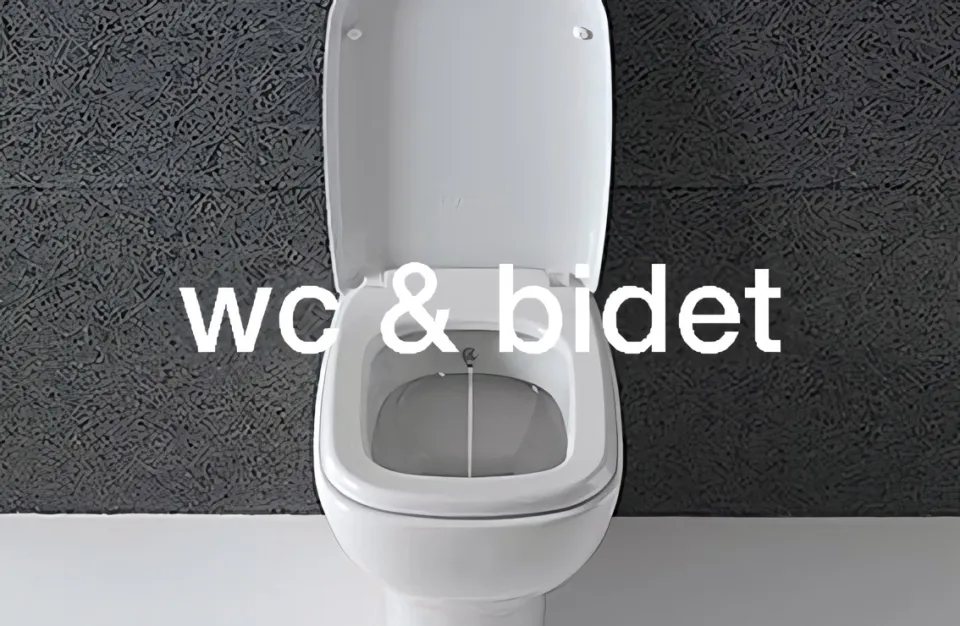
A bidet is a dedicated bathroom fitting designed for personal hygiene. Traditional bidets are separate sanitaryware fixtures, while modern bathroom solutions can also include bidet toilets or integrated bidet functions.
A separate bidet can provide an additional level of functionality and can be particularly appropriate in larger bathrooms where there is sufficient space for multiple sanitaryware fittings. In contemporary bathrooms, a bidet can also be selected to coordinate visually with the toilet, basin and other ceramic elements.
When planning a bidet, it is important to consider more than its appearance. The bathroom needs to accommodate the required floor space, plumbing connections and appropriate clearance between the bidet and other fittings.
LAVO’s design-led approach makes it possible to consider toilets and bidets as part of the complete bathroom scheme. This is particularly useful when working on a new bathroom or renovation where sanitaryware positions, plumbing and finishes can be planned together from the beginning.
What is the difference between a toilet and a bidet?
A toilet and a bidet perform different functions. A toilet is designed primarily for the disposal of human waste, while a bidet is designed primarily for personal cleansing and hygiene.
A conventional bathroom may therefore have both a toilet and a separate bidet. Alternatively, modern bathroom technology can combine toilet and bidet functions into a single fitting, depending on the products selected and the requirements of the bathroom.
The choice between separate or integrated solutions depends on available space, personal preferences, functionality and the overall design of the bathroom.
For smaller bathrooms, an integrated solution can be particularly useful because it can provide additional functionality without requiring a separate bidet installation. In larger bathrooms, a separate bidet can become part of a more comprehensive sanitaryware arrangement.
LAVO can help homeowners and design professionals consider these options alongside the other bathroom fittings, ensuring that sanitaryware is appropriate for both the practical requirements and aesthetic direction of the project.
How to choose the right toilet or bidet for your bathroom?
Choosing the right toilet or bidet involves considering space, installation requirements, functionality, comfort, design and compatibility with the rest of the bathroom.
Start by assessing the bathroom layout. Measure the available space and consider the position of existing or proposed plumbing. For renovations, the location of existing waste and water connections may influence which products can be installed without extensive alterations.
Next, consider the installation type. A wall-hung toilet can create a minimalist appearance and visually open up the floor, while a floor-standing model may be more appropriate for certain layouts or design styles. If you are considering a separate bidet, make sure there is sufficient space for comfortable use and movement around the fittings.
The visual relationship between sanitaryware is also important. A toilet and bidet should complement the basin, bath, shower and tapware rather than appearing as unrelated selections. Shape, proportions, ceramic finish and installation style can all contribute to a cohesive bathroom.
LAVO Bathroom Concepts provides a showroom environment where bathroom products can be considered as part of a complete design. The LAVO team works with homeowners and professionals to help select bathroom products according to the requirements of each project, rather than treating sanitaryware as a purely functional purchase.
Whether you are designing a contemporary bathroom, renovating an existing space or working on a larger residential or hospitality project, choosing the right toilet and bidet early in the design process can help ensure that plumbing, proportions, functionality and aesthetics work together.