
Basins
return to previous pageManufactured using the latest casting technologies, each basin is produced to the highest quality, and available in various installation formats and designs.

What types of bathroom basins are available?
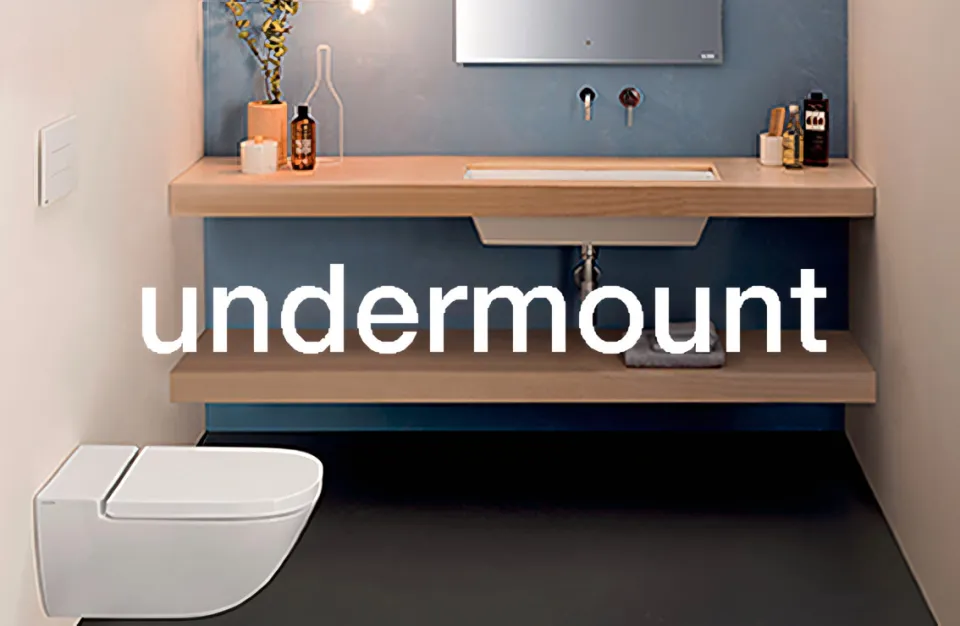
Bathroom basins are available in a variety of styles, installation types, shapes and sizes, allowing the basin to be selected according to the bathroom layout, vanity design and overall interior aesthetic. Common types include countertop basins, recessed basins, semi-recessed basins, wall-hung basins, pedestal or pillar basins, under-counter basins and integrated basin solutions.
LAVO Bathroom Concepts offers a considered selection of bathroom basin solutions designed for different bathroom styles and project requirements. The right basin is not simply a matter of appearance; installation method, available space, countertop or vanity configuration and how the bathroom will be used should all be considered.
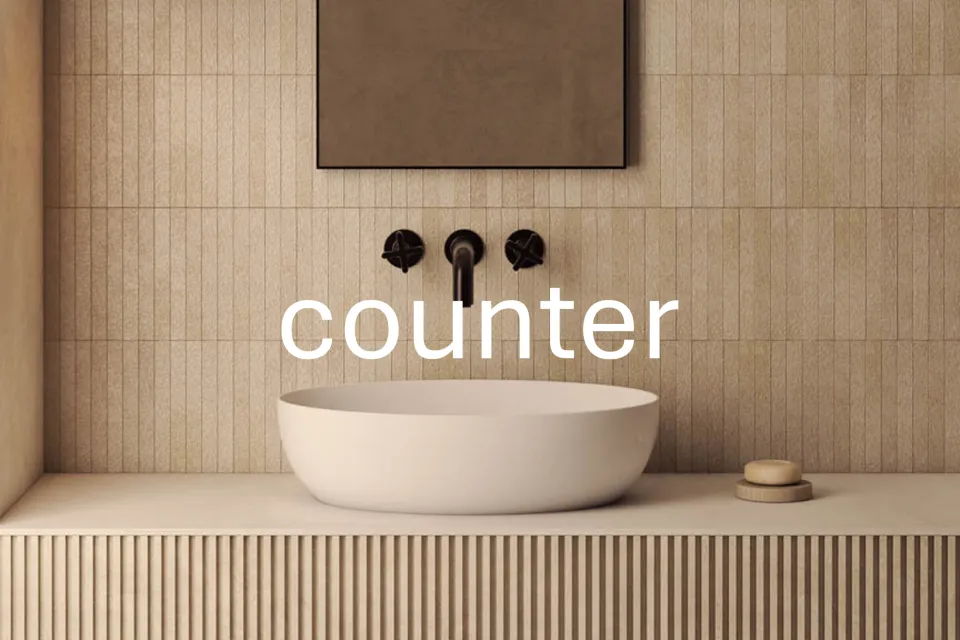
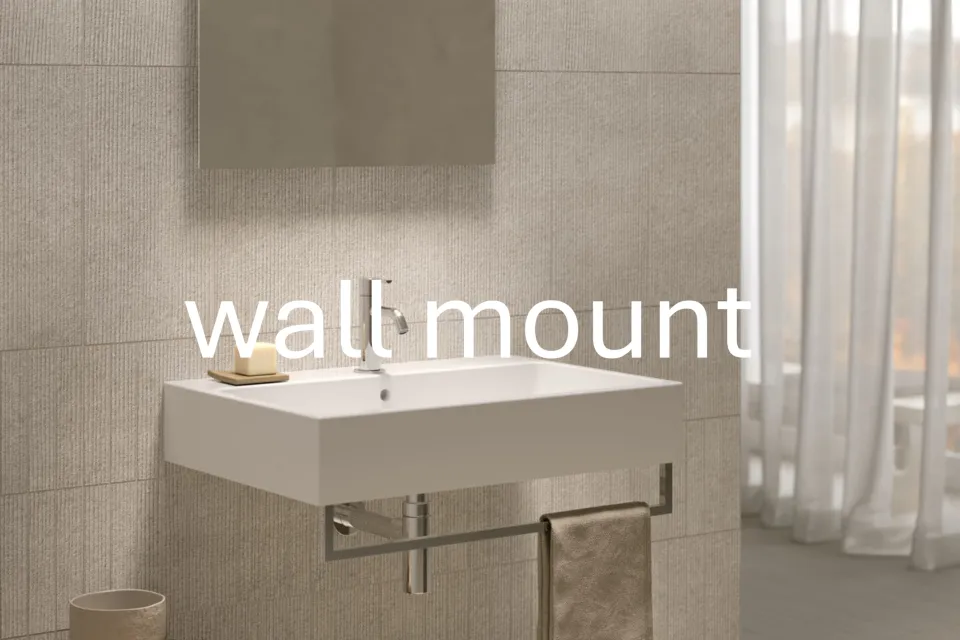
Countertop basins sit on top of a vanity or countertop and can create a strong architectural feature, while recessed basins are installed into the countertop for a more integrated appearance. Semi-recessed basins are particularly useful where space is limited because part of the basin projects beyond the front of the vanity. Wall-hung basins are mounted directly to the wall and can be useful in compact bathrooms or guest cloakrooms.
The choice of basin can have a significant effect on the proportions and character of a bathroom. For a contemporary bathroom, a clean-lined countertop or wall-mounted basin may create the desired minimalist effect. For a more traditional or architectural interior, a different basin profile may be more appropriate.
LAVO can assist homeowners, architects, interior designers and other professionals in selecting a basin that works with the dimensions, functionality and design direction of the bathroom.
What is a countertop basin?
A countertop basin, also known as a vessel basin or above-counter basin, is installed on top of a vanity, countertop or bathroom surface, rather than being fitted entirely into the countertop. The basin remains visible above the surface, making it an important visual element within the bathroom.
Countertop basins are popular in contemporary bathroom design because they can create a distinctive, sculptural appearance. They are available in different shapes, proportions and profiles, from simple round or oval designs to more geometric rectangular forms.
When selecting a countertop basin, it is important to consider more than the basin itself. The height of the vanity, basin dimensions, countertop depth, tap position and available surrounding space should all work together. A countertop basin can add visual height to a vanity, so the finished installation needs to be planned carefully to ensure it remains comfortable to use.
Countertop basins can be particularly effective when paired with a wall-mounted tap or appropriately positioned basin mixer, depending on the design and plumbing requirements.
LAVO Bathroom Concepts offers bathroom solutions intended to combine practical performance with considered design. When choosing a countertop basin, LAVO can help you assess the basin’s proportions and installation requirements in relation to the overall vanity and bathroom design.
What is a recessed basin?
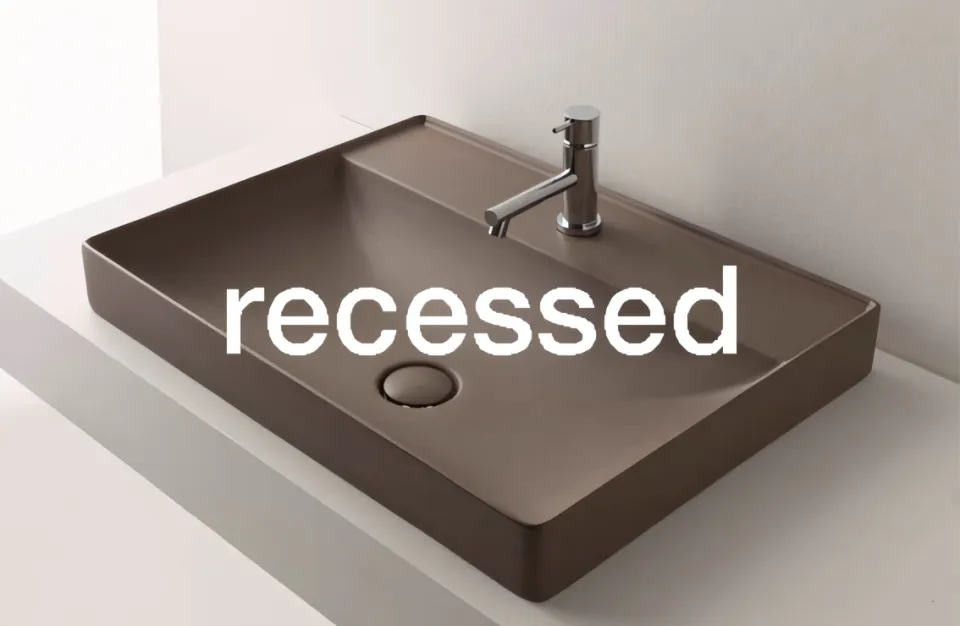
A recessed basin is a basin that is installed into the countertop or vanity surface, creating a more integrated appearance than a countertop basin. Depending on the design, the basin may sit partially or fully within the vanity or counter, producing a clean transition between the basin and surrounding surface.
Recessed basins are a versatile choice because they can work particularly well where a streamlined and practical vanity is required. Unlike a countertop basin, which sits visibly above the counter, a recessed basin forms part of the overall countertop installation.
One of the main advantages of a recessed basin is that it can create a relatively understated appearance. The basin does not dominate the vanity to the same extent as a large countertop vessel, making it suitable for bathrooms where clean lines and visual simplicity are priorities.
The dimensions of the basin and vanity should be considered together. The available countertop depth and width, surrounding clearance and position of the tap all influence whether a particular recessed basin will be suitable.
For renovation and new-build projects, it is also important to confirm the installation requirements before selecting the basin. The vanity, countertop, plumbing and basin need to be compatible.
LAVO Bathroom Concepts can assist with selecting bathroom basins according to the layout and design requirements of the project, helping ensure that the basin works as part of the complete bathroom rather than being considered in isolation.
What is the difference between a recessed and semi-recessed basin?
The primary difference between a recessed and semi-recessed basin is how much of the basin is integrated into the vanity or countertop.
A recessed basin is installed into the countertop or vanity, with the basin generally contained within the surface. This creates a more integrated and streamlined appearance.
A semi-recessed basin is also installed partially into the vanity, but the front portion of the basin extends beyond the front edge. This makes a semi-recessed basin particularly useful when the available vanity depth is limited.
The difference is important in smaller bathrooms. A semi-recessed basin can provide a practical basin without requiring the full depth that a conventional vanity and countertop basin might need. Because part of the basin projects forward, it can provide useful basin space while allowing the vanity itself to remain relatively shallow.
A recessed basin, by comparison, can provide a more contained and seamless appearance where sufficient countertop and vanity depth is available.
The best option depends on the bathroom dimensions, available wall space, vanity depth, required basin size and desired aesthetic. It is therefore worth considering the basin and vanity as a single design solution.
LAVO Bathroom Concepts can help homeowners and design professionals determine which basin installation is most appropriate for the proportions and requirements of the bathroom.
Are wall-hung basins suitable for small bathrooms?
Yes. Wall-hung basins can be an excellent choice for small bathrooms, guest bathrooms and cloakrooms, particularly where floor space is limited.
Because a wall-hung basin is mounted directly to the wall rather than being supported by a floor-standing vanity or pedestal, the area beneath the basin remains visually and physically open. This can make a compact bathroom feel less crowded and can contribute to a lighter, more spacious appearance.
Wall-hung basins are available in different widths and depths, so the dimensions should be selected according to the available wall space and the requirements of the room. In a very compact bathroom, basin depth can be particularly important because excessive projection into the room can restrict movement.
A wall-hung basin can also be paired with complementary storage elsewhere in the bathroom if additional cabinetry is required. Alternatively, it can provide a minimalist solution where storage is not a priority.
The installation itself needs to be properly planned. The wall structure and fixing requirements must be suitable for the basin, while plumbing and waste connections need to be positioned correctly.
For smaller bathrooms, LAVO Bathroom Concepts can help you consider the relationship between basin size, available space, storage and overall bathroom design rather than simply selecting the smallest basin available.
What basin should you choose for a bathroom vanity?
The best basin for a bathroom vanity depends on the size and design of the vanity, available space, desired aesthetic and how the bathroom will be used.
Countertop basins are a popular choice for contemporary vanities because they sit above the surface and can become a strong design feature. Recessed basins offer a more integrated appearance and can work well where a streamlined vanity is preferred. Semi-recessed basins are particularly useful for shallower vanities or bathrooms where space is restricted.
When choosing a basin for a vanity, consider the vanity width and depth, basin dimensions, countertop space, tap configuration and the amount of storage required. The height of the finished vanity is especially important with countertop basins because the basin itself adds height above the counter.
It is also important to consider the number of users. A main family bathroom may require a larger basin and more surrounding countertop space, while a guest bathroom or cloakroom may benefit from a compact basin.
Rather than choosing a basin first and trying to make it fit an existing vanity, it is often better to consider the vanity, basin, countertop and tapware as a coordinated solution.
LAVO Bathroom Concepts can help homeowners and design professionals select basin solutions that complement the proportions and intended use of the vanity while contributing to the overall bathroom design.
What size basin should I choose?
The correct basin size depends on the available space, vanity dimensions, bathroom layout and intended use. There is no single basin size that is right for every bathroom.
Start by measuring the available width and depth. In a compact bathroom or cloakroom, a smaller wall-hung, recessed or semi-recessed basin may be preferable because it reduces the amount of space the basin occupies. In a larger bathroom, a wider basin can provide greater washing space and may be more appropriately proportioned to a substantial vanity.
Depth is particularly important in smaller bathrooms. A basin that projects too far into the room can make circulation uncomfortable, even if its width is appropriate.
For a vanity installation, the basin should also leave enough practical countertop space around it while allowing the tap to be positioned correctly. If two basins are being considered for a double vanity, the overall vanity width and spacing between the basins need to be assessed carefully.
The basin should ultimately feel proportionate to both the vanity and the room. An oversized basin can overwhelm a compact bathroom, while a very small basin may look out of proportion in a large space.
LAVO Bathroom Concepts can help you assess basin dimensions in relation to the complete bathroom layout and recommend a solution suited to the space and design requirements.
Which bathroom basins are best for contemporary bathrooms?
Contemporary bathrooms generally benefit from basins with clean lines, considered proportions and a simple architectural presence. Countertop, wall-hung, recessed and semi-recessed basins can all work effectively in contemporary interiors, depending on the design of the bathroom.
Countertop basins are particularly popular where the basin is intended to act as a visual feature. Their sculptural form can be combined with a carefully selected vanity and tap to create a strong focal point.
Wall-hung basins can provide a more minimalist aesthetic, particularly when the bathroom design prioritises open floor space and uncluttered lines. Recessed basins offer an integrated appearance that can suit contemporary vanities where simplicity is the main design objective.
The shape of the basin should also complement the wider bathroom. Softly curved basins can introduce a sense of fluidity, while rectangular or geometric profiles can reinforce a more architectural interior. The choice of tapware, vanity, countertop and sanitaryware should be considered alongside the basin so that the individual elements form a cohesive design.
For contemporary bathroom projects, LAVO Bathroom Concepts focuses on considered bathroom solutions rather than treating individual fittings in isolation. The most suitable basin will depend on the architecture, dimensions, materials and overall design direction of the space.
LAVO can assist homeowners, architects and interior designers in selecting bathroom basins that balance functionality, proportion and contemporary design.